Where Small And Large Intestine Connect ~ The Human Digestive System Organs Functions And Diagram. Gastric glands have differential staining due to the different cells that make up the gastric gland. Food and the products of digestion pass through the intestine, which is divided into two sections called the small intestine and the large intestine. Student will define all key terms. The anatomy of the three segments of the small intestine includes: It lies between the stomach and large intestine, and receives bile and pancreatic juice through the pancreatic duct to aid in digestion.the small intestine is about 20 feet (6 meters) long and folds many times to fit in the abdomen.
The intestine is also where most water is absorbed, via osmosis. The intestines extract nutrients from the foods. Student will read all material related to the large intestine, small intestine, rectum, and anus. Food and the products of digestion pass through the intestine, which is divided into two sections called the small intestine and the large intestine. The ileum (last part of the small intestine) connects to the cecum (first part of the colon) in the lower right abdomen.
Intestinal Pseudo Obstruction Medlineplus Genetics from medlineplus.gov The duodenum, jejunum, and ileum. In humans, the large intestine begins in the right iliac regionof the pelvis, just at or below the waist, where it is joined to the end of the small intestineat the cecum, via the ileocecal valve. It is responsible for absorbing nutrients during the digestion process. The rest of the colon is. The small intestine and colon are components of your digestive tract, which processes the foods you eat. Veins run parallel to the arteries and drain into. Small and large intestine location of the colon in the body diseases of the small and large bowel are linked to family history and the connection between these elements has been the result of years of research at johns hopkins. The glands also cause the stomach to have a characteristic crenelated castle wall shape.
It lies between the stomach and large intestine, and receives bile and pancreatic juice through the pancreatic duct to aid in digestion.the small intestine is about 20 feet (6 meters) long and folds many times to fit in the abdomen.
The small intestine and large intestine are connected. It is located toward the bottom of the abdomen and connects the stomach to the large intestine. Most absorption of nutrients and water happen in the intestines. The rest of the colon is. Student will define all key terms. The intestine is also where most water is absorbed, via osmosis. The chyme is moved over the large area of small intestine to facilitate digestion and absorption and the residues are propelled downwards to the ileocecal junction to reach the large intestine, mostly for excretion. Where they connect is around the appendix in the lower right portion of the abdomen. The superior mesenteric artery is its main arterial supply. Beginning on the right side of the abdomen, the large intestine is connected to the ilium of the small intestine via the ileocecal sphincter. The intestines extract nutrients from the foods. Cecum is a pouch on the right side that connects to the ileum at the ileocecal valve (sphincter) Student will color and lable a diagram of the large.
Large intestine the large intestine is larger in diameter than the small intestine. The small intestine is also known as small bowel and tends to measure about 20 feet long in the human body. In man, the time taken for the food to travel in the small intestine as well as in stomach can be easily estimated. On its distal (far) end, the ileum—the last segment of the small intestine—connects to the large intestine (colon). The ileum (last part of the small intestine) connects to the cecum (first part of the colon) in the lower right abdomen.
Duodenum Anatomy Location And Function from www.verywellhealth.com The next small intestine section is the coiled jejunum, followed by the ileum, which leads straight to the large intestine. The large intestine absorbs most of the water within the waste material, the body can expel solid feces. Student will read all material related to the large intestine, small intestine, rectum, and anus. The colon is also called the large intestine. These two sections absorb nutrients and water more than they break down food. Small and large intestine location of the colon in the body diseases of the small and large bowel are linked to family history and the connection between these elements has been the result of years of research at johns hopkins. The large intestine frames these three parts of the small intestine. Small intestine is made up of three parts, that is, duodenum, jejunum and ileum.
The next small intestine section is the coiled jejunum, followed by the ileum, which leads straight to the large intestine.
The duodenum, jejunum, and ileum. It is located toward the bottom of the abdomen and connects the stomach to the large intestine. In man, the time taken for the food to travel in the small intestine as well as in stomach can be easily estimated. The superior mesenteric artery is its main arterial supply. The small intestine has the narrowest diameter of all the parts, though it is the longest one which measures around 4.5 to 7 m in the length.this tube kind of structure is present between the large intestine and stomach and coiled in the abdomen.the internal surface of the small intestine has circular folds. Student will define all key terms. The parietal and the chief cells cause the gland to stain pink and purple respectively. The large intestine frames these three parts of the small intestine. Parasympathetic nerve fibers from the vagus nerve and sympathetic nerve fibers from the thoracic splanchnic nerve provide extrinsic innervation to the small intestine. On its proximal (near) end, the small intestine—beginning with the duodenum—connects to the stomach. Cecum is a pouch on the right side that connects to the ileum at the ileocecal valve (sphincter) The intestines include the small intestine, large. The small intestine is a part of the digestive system that runs between the stomach and large intestine.
Although it is longer than the large intestine, it is called the small intestine because it is smaller in width. It frames the small intestine on three sides. Stomach, small intestine, appendix, large intestine. Student will define all key terms. The intestine is found between the large intestine and the stomach.
How Long Are Your Intestines Length Of Small And Large Intestines from post.healthline.com Stomach, small intestine, appendix, large intestine. In man, the time taken for the food to travel in the small intestine as well as in stomach can be easily estimated. The small intestine is about 1 inch in diameter and about 10 feet long in a living body. The intestine is a muscular tube which extends from the lower end of your stomach to your anus, the lower opening of the digestive tract. The colon is also called the large intestine. The small intestine is a part of the digestive system that runs between the stomach and large intestine. The small intestine is also known as small bowel and tends to measure about 20 feet long in the human body. The next small intestine section is the coiled jejunum, followed by the ileum, which leads straight to the large intestine.
The large intestine is primarily responsible for removing water from the contents of the intestine and making it ready for removal from the body.
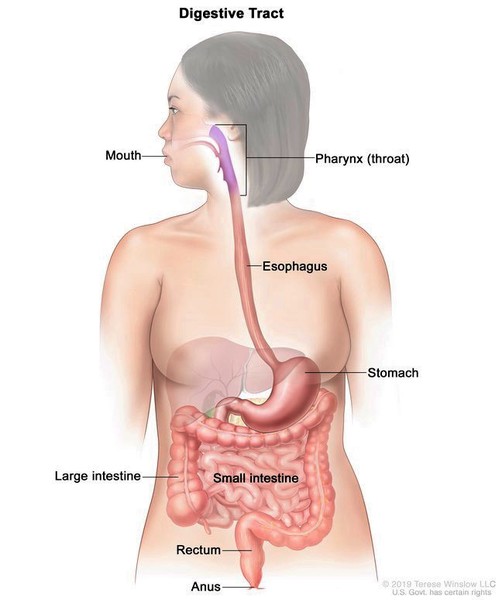
It is located toward the bottom of the abdomen and connects the stomach to the large intestine. Cecum is a pouch on the right side that connects to the ileum at the ileocecal valve (sphincter) In humans, the large intestine begins in the right iliac regionof the pelvis, just at or below the waist, where it is joined to the end of the small intestineat the cecum, via the ileocecal valve. The jejunum lies between the duodenum and the ileum. Small intestine is longer than the large intestine. Student will color and lable a diagram of the large. Parasympathetic nerve fibers from the vagus nerve and sympathetic nerve fibers from the thoracic splanchnic nerve provide extrinsic innervation to the small intestine. The intestine is found between the large intestine and the stomach. The small intestine has the narrowest diameter of all the parts, though it is the longest one which measures around 4.5 to 7 m in the length.this tube kind of structure is present between the large intestine and stomach and coiled in the abdomen.the internal surface of the small intestine has circular folds. Where they connect is called the ileocecal junction because the last part of small intestine called illum is connected to part of large intestine or colon called cecum. The rest of the colon is. .small intestine , consisting of the duodenum , the jejunum, and the ileum ; Food and the products of digestion pass through the intestine, which is divided into two sections called the small intestine and the large intestine.
/GettyImages-585996538-b7755be0a8e849ff93b516e8aa43bfc4.jpg)